Open vs Enclosed Car Transport: Which Is Right for You?
03-Sep-2026Choosing how to move your car interstate isn't just about price. It's about matching the transport method to your vehicle, your budget, and how much protection you actually need. Get it wrong, and you either overpay for protection you didn't need or take on a risk you weren't expecting.
Open and enclosed car transport are the two main options available in Australia, and both do the job well just in different ways. Open transport is the standard, cost-effective choice used for most everyday vehicles. Enclosed transport is the premium option, built for cars that need extra protection from weather, road debris, and prying eyes.
This guide breaks down exactly how each option works, where they differ, what they cost, and how to decide which one suits your vehicle and situation. By the end, you'll know which method makes sense for your car whether that's a family sedan, a 4WD, or a classic you've spent years restoring.
What Is Open Car Transport?
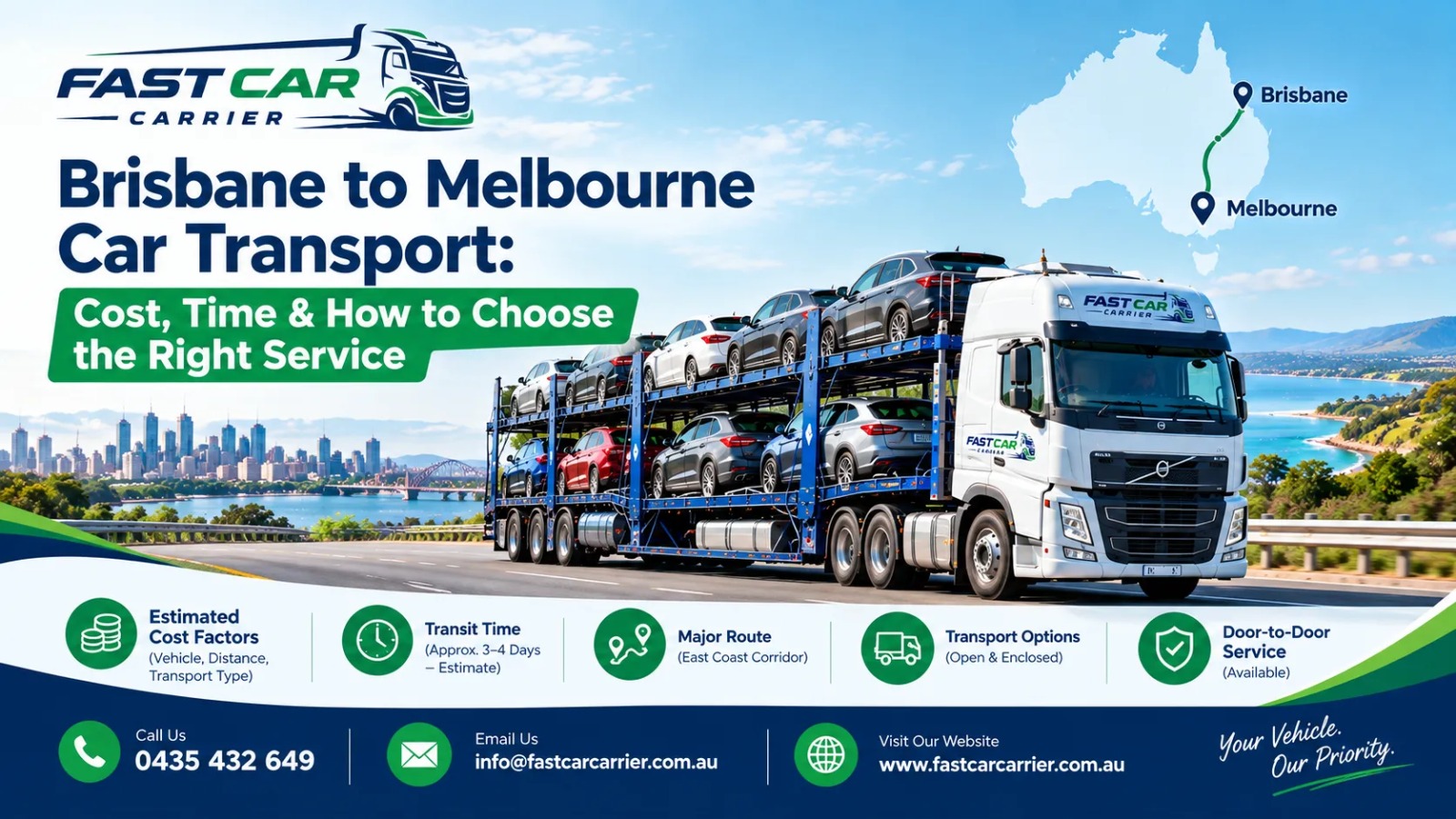
Open car transport is the most common method of moving vehicles across Australia. Your car is loaded onto an open-air carpanels,rier a multi-level trailer with no roof or side panels alongside other vehicles heading in the same direction.
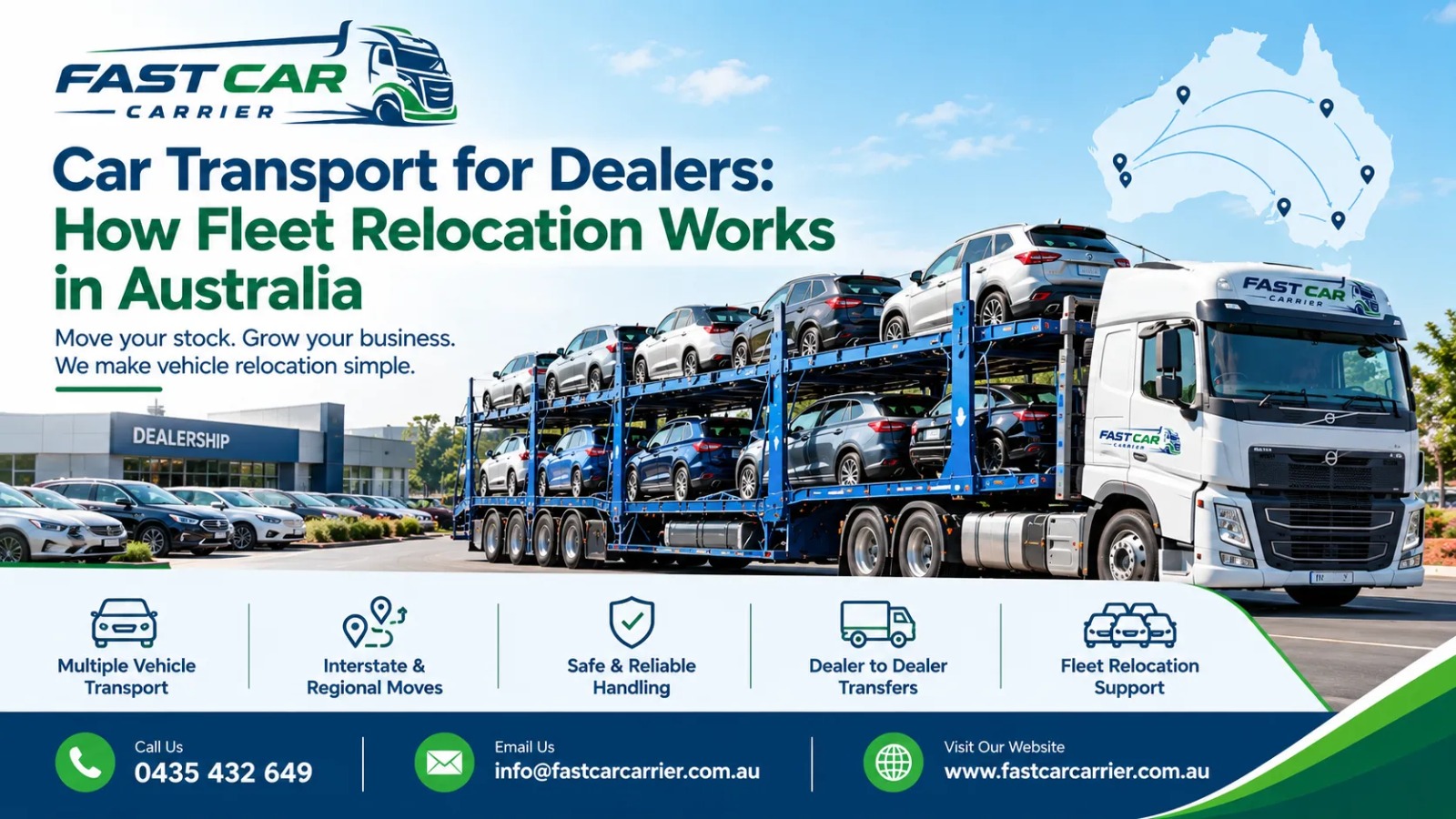
This is the same type of transport used by car dealerships to move new vehicles from the docks and factories to showrooms nationwide, which is why it's so widely available and reliable.
How it works:
● Vehicles are secured to the trailer with wheel straps or chains
● Multiple cars travel together, which keeps costs down
● The carrier is open to the elements for the entire journey
● Loading and unloading is straightforward, keeping turnaround times fast
Advantages of open transport:
● Lower cost than enclosed transport
● Wider availability, meaning shorter wait times for a booking
● Faster scheduling in most cities and routes
● Well suited to most standard vehicles
Potential disadvantages:
● Exposure to weather, including rain, dust, and road grime
● Minor cosmetic risk from road debris on long interstate routes
● Less privacy, since the vehicle is visible during transit
Who it's best suited for:
Open transport is the right call for everyday vehicles, family cars, commuter cars, 4WDs, and most standard SUVs. If your car is used daily and can handle a normal drive in the rain, it can handle an open carrier.
What Is Enclosed Car Transport?
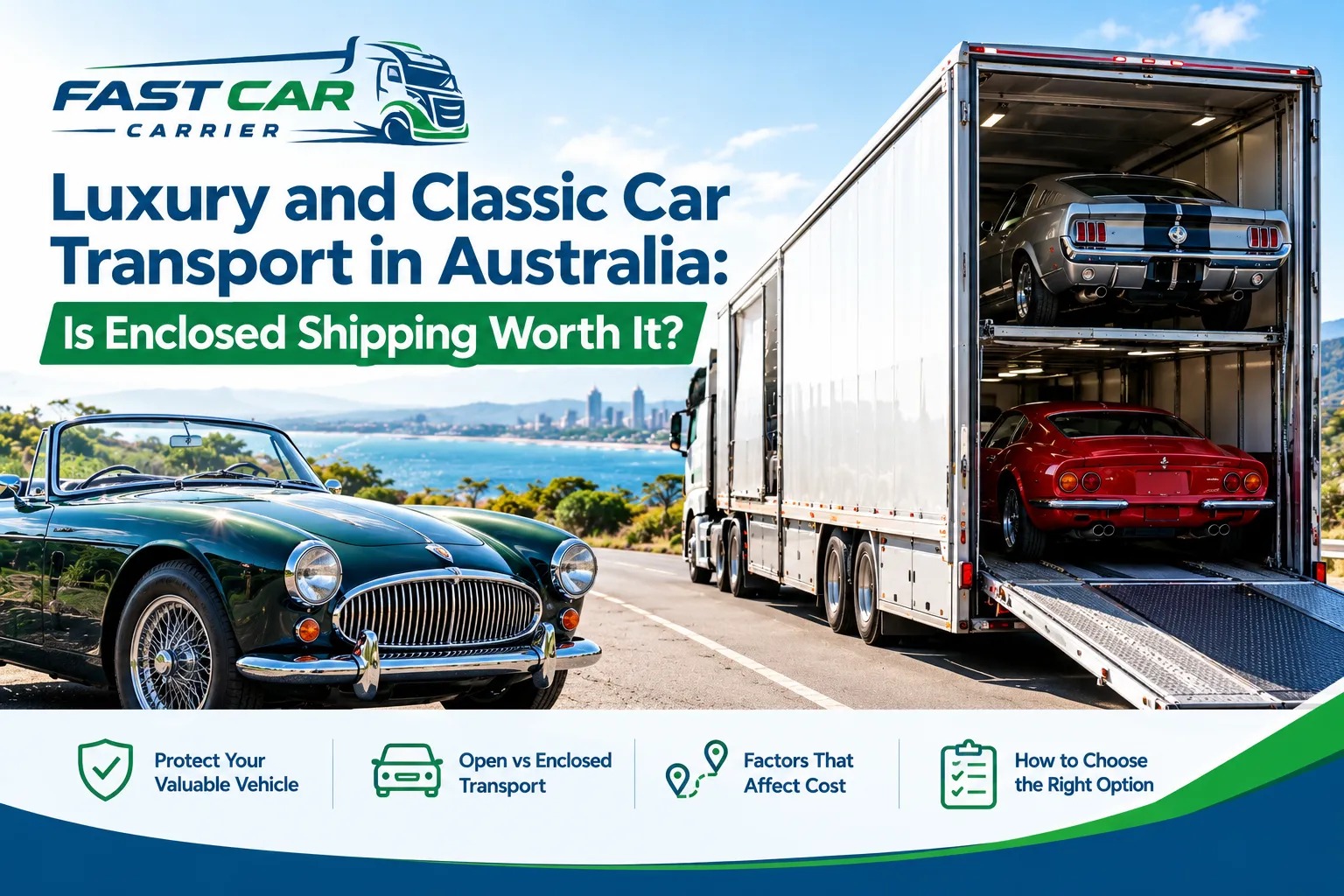
Enclosed car transport uses a fully covered trailer, shielding the vehicle from weather, dust, and general road exposure for the entire trip. It's the option most commonly chosen for vehicles with higher value or greater sentimental importance.
How it works:
● Vehicles are loaded into a covered, walled trailer
● Fewer cars are transported per load compared to open carriers
● The vehicle is shielded from rain, sun, and airborne debris
● Some enclosed carriers offer additional securing methods, such as soft-tie systems, for delicate or low-clearance vehicles
Advantages of enclosed transport:
● Maximum protection from weather and road conditions
● Reduced risk of cosmetic damage from stones or debris
● Greater discretion, since the vehicle isn't visible to other road users
● Often preferred for vehicles that are difficult or costly to repair
Potential disadvantages:
● Higher cost than open transport
● Fewer carriers on the road, which can mean longer lead times to book
● Not necessary for standard vehicles with no special protection requirements
Who it's best suited for:
Enclosed transport suits luxury cars, classic and vintage vehicles, prestige models, and any car that's modified, low to the ground, or otherwise harder to replace or repair.
Open vs Enclosed Car Transport: Key Differences
Here's a side-by-side comparison of how the two methods stack up across the factors that matter most.
Factor | Open Transport | Enclosed Transport |
Protection | The basic vehicle is secured but exposed. | Highly fully shielded from the elements |
Weather exposure | Full exposure to rain, sun, and dust | None vehicle is fully enclosed. |
Vehicle capacity per load | Higher (multiple vehicles per carrier) | Lower (fewer vehicles per carrier) |
Cost | Lower | Higher |
Availability | Widely available, shorter wait times | Limited availability, longer lead times |
Security & privacy | The vehicle is visible in transit. | The vehicle is not visible in transit. |
Best-suited vehicle types | Everyday cars, 4WDs, family vehicles | Luxury, classic, prestige, and modified vehicles |
Open vs Enclosed Car Transport Which Is Cheaper?
Open transport is almost always the cheaper option, and the reasons come down to how each service is run rather than any shortcut in quality.
Why open transport costs less:
● Carriers can load several vehicles at once, spreading the cost across multiple customers
● Open carriers are far more common, which keeps competition and prices sensible
● Loading and unloading is quicker, reducing labor time per vehicle
Why enclosed transport costs more:
● Enclosed trailers carry fewer vehicles per trip, so the cost per car is naturally higher
● There are fewer enclosed carriers operating nationally, which affects pricing and availability
● Extra handling care and sometimes specialized securing equipment add to the service cost
The exact cost for either option depends on your specific route, vehicle size, timing, and current demand. Rather than guessing at a figure, it's best to get a direct quote based on your vehicle and journey. Fast Car Carrier can provide an accurate cost once these details are confirmed.
Which Transport Option Is Best for Your Vehicle?
Different vehicles have different needs. Here's a practical breakdown by vehicle type.
Everyday vehicles, standard sedans and hatchbacks used for daily driving, are well suited to open transport. There's rarely a need to pay extra for protection a car will face on the road anyway.
Family cars and family vehicles, including wagons and mid-size SUVs, are typically fine on open carriers. Open transport keeps costs manageable without compromising on a safe, reliable delivery.
4WDs and SUVs Most 4WDs and SUVs handle open transport without issue, since they're built for varied conditions. If the vehicle has aftermarket modifications or a lift kit that makes loading more complex, it's worth mentioning this at the time of booking.
Luxury vehicles: Luxury cars often benefit from enclosed transport, particularly if the vehicle has a low ride height, a high-end paint finish, or components that are expensive to repair.
Classic and vintage cars Classic and vintage vehicles are usually best matched with enclosed transport. Original paintwork, aging rubber seals, and hard-to-source parts all make weather and debris exposure a bigger risk than for a modern daily driver.
Prestige vehicles: Prestige models are frequently transported enclosed, both for protection and for the added discretion it offers during transit.
Modified or high-value vehicles Heavily modified vehicles, or cars with a high market value, are strong candidates for enclosed transport. The extra cost is usually easy to justify against the value of the vehicle itself.
Is Enclosed Car Transport Worth the Extra Cost?
There's no single right answer here; it depends on the vehicle and what you're trying to protect against.
Enclosed transport is worth the extra cost when:
● The vehicle has a high replacement or repair cost
● Original paint, trim, or components are difficult or expensive to restore
● You want to avoid any weather or road exposure entirely
● Privacy during transit matters to you
Enclosed transport is usually unnecessary when:
● The car is a standard daily driver used in all weather conditions
● The route is short, and the timeframe isn't tight
● Budget is a bigger factor than added protection
If your vehicle can handle a normal day of driving in the rain without concern, it can usually handle open transport. If a stone chip or a few hours in the sun would genuinely worry you, enclosed transport is the safer choice.
How to Choose Between Open and Enclosed Transport
Use this checklist to help decide:
1. What is the vehicle worth, and how hard would it be to repair or replace? Higher value or rarer parts lean toward enclosed.
2. How would the car normally be driven? If it's a daily driver used in all weather, open transport matches its normal use.
3. What's your budget for the move? If cost is the priority, open transport is the more economical choice.
4. How flexible is your timeline? Enclosed transport may involve a longer wait due to lower availability.
5. Does privacy matter to you? If you'd prefer the vehicle not be visible in transit, an enclosed vehicle is the better fit.
6. Is the vehicle modified or low to the ground? This can affect loading requirements and may point toward enclosed transport with specialized handling.
Working through these questions honestly will usually make the decision clear.
Open vs Enclosed Car Transport in Australia
Australia's interstate distances mean vehicles can spend a full day or more on the road between capital cities, crossing a range of climates and conditions along the way. This makes the choice between open and enclosed transport more relevant here than in smaller countries, since a long haul from, say, Melbourne to Perth covers very different weather than a shorter east-coast run.
The right method ultimately comes down to your specific vehicle, the route being travelled, your budget, and the level of protection you're after. There's no universal answer; a decision that works for a modern SUV won't necessarily suit a 1960s classic being moved the same distance.
Why Choose Fast Car Carrier?
Fast Car Carrier offers both open and enclosed vehicle transport for customers moving vehicles across Australia, helping you choose the option that actually fits your car rather than defaulting to a one-size-fits-all service.
Whether you're transporting a family car, a 4WD, or a vehicle that needs the extra protection of an enclosed carrier, the right method depends on your specific circumstances, and that's exactly what a good transport provider should help you work through.
If you're unsure which option suits your vehicle, get in touch with Fast Car Carrier to discuss your requirements:
Phone: 0435 432 649 Email: info@fastcarcarrier.com.au
Frequently Asked Questions
What is the difference between open and enclosed car transport?
Open transport moves your vehicle on an uncovered trailer, exposed to weather and road conditions. Enclosed transport uses a fully covered trailer that shields the vehicle from the elements for the entire journey.
Is enclosed car transport safer?
Enclosed transport offers more protection from weather, dust, and road debris. Open transport is still a safe and reliable method for most vehicles, just without the added shielding.
Is open car transport cheaper?
Yes, open transport is generally the more affordable option, since carriers can move multiple vehicles per trip and are more widely available.
Which is better for a classic car?
Enclosed transport is usually the better choice for classic and vintage cars, given the value of original components and their sensitivity to weather exposure.
Should I choose enclosed transport for a luxury vehicle?
It depends on the vehicle, but many luxury car owners choose enclosed transport for the added protection and discretion it provides during interstate moves.
Does open transport expose my car to weather?
Yes, vehicles on open carriers are exposed to rain, sun, and general road conditions throughout the journey, similar to normal driving conditions.
How do I choose the right vehicle transport option?
Consider your vehicle's value and vulnerability, your budget, your timeline, and how much protection you want during transit. Working through these factors will usually point you to the right choice.
Conclusion
Open and enclosed car transport both get your vehicle where it needs to go the real question is which one matches your car and your priorities. Open transport is cost-effective and widely available, making it the right fit for everyday vehicles. Enclosed transport offers greater protection and privacy, which makes sense for luxury, classic, and high-value cars.
If you're still weighing up which option is right for your vehicle, get in touch with Fast Car Carrier to talk through your requirements and find the best fit for your car and your budget.