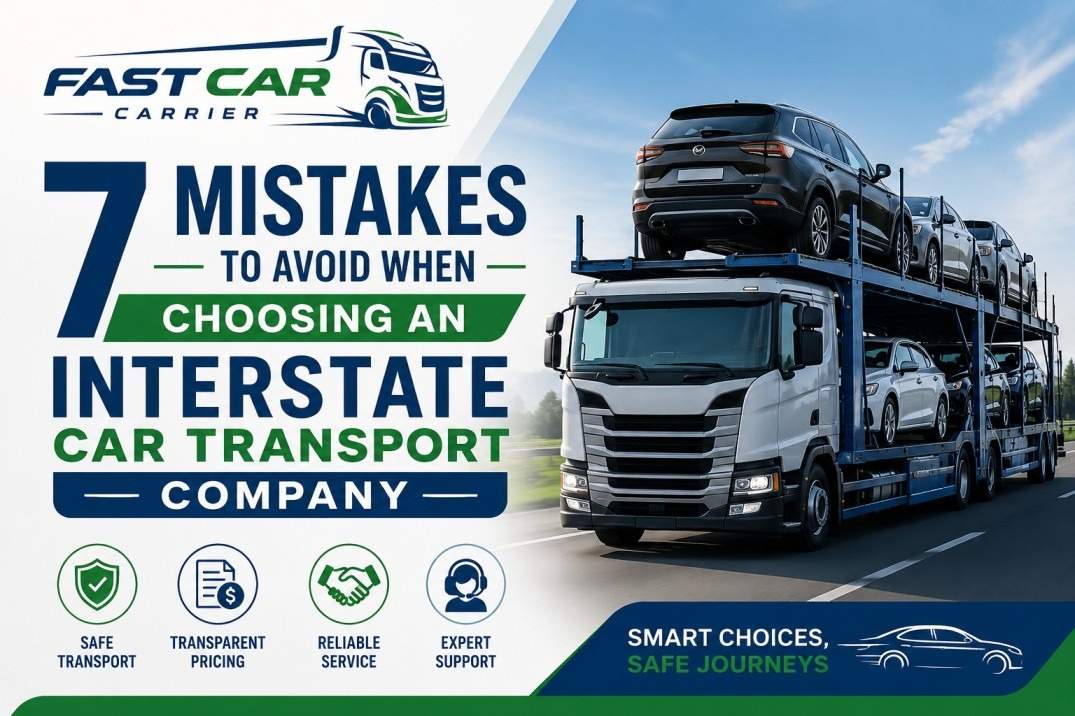
7 Mistakes to Avoid With Interstate Car Transport
29-Aug-2026Moving a car interstate is stressful enough without worrying about who's actually driving it there. Whether you're relocating for work, buying a car from another state, or sending a vehicle to family, the company you choose has a direct impact on whether the experience goes smoothly or turns into a headache.
Many people search for an interstate car transport company, click on the first result or the cheapest quote, and hope for the best. That approach can work out fine but it can also lead to unexpected fees, poor communication, or a vehicle that arrives later (or in worse condition) than expected.
This guide walks through the seven most common mistakes people make when choosing a car carrier, so you can book with more confidence and fewer surprises.
Why Choosing the Right Interstate Car Transport Company Matters
Your car is a significant asset, and handing it over to someone else for a multi-day journey across the country is a big decision. The right company should offer:
- Vehicle safety: proper loading, securing, and handling throughout the trip
- Reliable pickup and delivery: arrivals within the timeframe you were quoted
- Clear communication: updates you can actually rely on
- Transparent pricing: no unpleasant surprises on the invoice
- Insurance and protection: coverage that's explained clearly, not buried in fine print
- Overall peace of mind: knowing your vehicle is in capable hands from start to finish
Getting these basics right matters more than saving a small amount on the quote. Here's what to watch out for.
7 Mistakes to Avoid When Choosing an Interstate Car Transport Company
1. Choosing a Company Based Only on the Cheapest Price
A low quote is tempting, but it's worth asking why it's lower than everyone else's. Sometimes a cheap price simply reflects efficient operations. Other times, it excludes things like door-to-door pickup, insurance, or handling fees for non-running vehicles — costs that get added later.
Instead of comparing price alone, compare what's actually included: pickup and delivery arrangements, insurance coverage, estimated timeframes, and the level of communication you'll get along the way. A slightly higher quote that includes everything upfront is often better value than a low one with hidden extras. If you want a clearer picture of typical costs first, our guide on what's included in an interstate car transport price breaks down what a fair quote should cover.
2. Not Checking Insurance and Vehicle Protection
Before booking, ask what protection applies to your vehicle during transport. A reputable car transport service should be able to explain, in plain language, what's covered, what isn't, and how a damage claim would be handled if something did go wrong.
Don't assume all policies are the same. Ask about exclusions, any excess that might apply, and the process for reporting an issue after delivery. If a company can't give you a clear answer, that's worth noting before you commit. Look for providers that offer fully insured vehicle transport as standard, rather than as a costly add-on.
3. Failing to Check the Company's Experience and Reputation
A bit of research goes a long way when choosing a car carrier. Look at:
- Customer reviews across multiple platforms, not just the company's own website
- How long the company has been operating
- Whether they regularly service the route you need (some carriers specialise in certain corridors)
- Basic company details an ABN, a physical presence, and clear contact information
- Feedback from past customers about communication and reliability
A company with a consistent track record on your specific route is generally a safer bet than one that rarely mentions it. Checking a company's about page is a quick way to see how long they've operated and how they describe their process, and if you're moving a car on a busy corridor like Melbourne to Sydney, it's worth confirming the carrier runs that route regularly rather than as an occasional job.
4. Not Asking What Is Included in the Quote
Vague quotes are one of the biggest sources of frustration in vehicle transport. Before agreeing to anything, confirm whether the quote covers:
- Pickup and delivery to your specified addresses
- The full transport cost for the distance involved
- Any adjustments for vehicle type or size
- Extra charges for rural or hard-to-access locations
- Special handling requirements, such as for non-running or modified vehicles
A transparent car transport quote should leave little room for guesswork. If something isn't mentioned, ask directly rather than assuming it's included. Our guide on getting an accurate car transport quote covers the details worth confirming upfront, and if your vehicle needs non-running car transport, make sure that's factored into the price rather than added later.
5. Ignoring Pickup and Delivery Details
It's easy to focus on price and skip over logistics, but pickup and delivery details matter just as much. Before booking, confirm:
- The exact pickup and delivery locations
- The estimated timeframe for the journey
- Any access requirements (driveway width, gate codes, apartment restrictions)
- How you'll be contacted before pickup and on delivery day
- What happens if there's a delay due to weather, breakdowns, or route disruptions
A few practical vehicle shipping tips: confirm someone will be available at both ends to hand over and receive the keys, get a rough delivery window rather than an exact date, and keep the contact number for your driver or dispatcher handy in case plans shift. A door-to-door pickup and delivery arrangement removes a lot of this guesswork, and real-time tracking and customer support means you're not left wondering where your car is along the way.
6. Not Preparing the Vehicle Correctly
Vehicle preparation is often overlooked, but it can prevent avoidable issues on both ends of the trip. Before pickup:
- Remove personal belongings from the car
- Check the company's fuel level requirements (many prefer a quarter tank or less)
- Remove or secure loose accessories, such as roof racks or aftermarket parts
- Take clear photos of the vehicle's condition from multiple angles
- Note any existing scratches, dents, or mechanical issues
Photographing the car before it's loaded gives you a reference point and makes any post-delivery conversation easier if needed. If you're transporting a classic, luxury, or high-value vehicle, it's also worth asking about open and enclosed transport options for extra protection from the elements.
7. Not Asking Questions Before Booking
A trustworthy interstate car transport company should welcome questions, not discourage them. Before you commit, it's reasonable to ask about:
- How the transport process works from pickup to delivery
- Pickup and delivery arrangements for your specific addresses
- What insurance applies and how claims are handled
- Any vehicle preparation steps required on your end
- Payment terms, including deposits and final payment timing
- How and when you'll receive updates during transport
- Realistic timing estimates for your route
- What happens if your plans change after booking
If a company answers these clearly and without pressure, that's usually a good sign. Many of these questions are also covered on a company's FAQ page, which is worth a quick read before you call.
How to Compare Interstate Car Transport Companies
Use this checklist to compare your options side by side. If you're also weighing whether to hire a carrier at all, our comparison of interstate car transport versus driving it yourself covers the cost and time trade-offs in more detail.
Factor | What to Check |
Price | Is the quote transparent, with no vague extras? |
Reputation | Are customer reviews consistent across platforms? |
Insurance | What protection is provided, and what are the exclusions? |
Communication | Is support easy to reach before and during transport? |
Experience | Does the company regularly handle your specific route? |
Pickup & Delivery | Are the arrangements and timeframes clearly explained? |
Vehicle Protection | How is the vehicle secured and handled during transport? |
Questions to Ask Before Booking Car Transport Australia
When you're ready to book car transport Australia-wide, these questions help you compare providers on substance rather than price alone:
1. What does your quote include, and what could add to the cost?
2. How is my vehicle insured during transport, and what's excluded?
3. How do you handle non-running or modified vehicles?
4. What's your estimated pickup and delivery timeframe for my route?
5. Will I get updates during transport, and how often?
6. What preparation do you need me to do before pickup?
7. What happens if my pickup or delivery date needs to change?
8. How do I report an issue if something goes wrong after delivery?
Why Transparency Matters When Choosing a Car Carrier
Clear communication, realistic timeframes, and straightforward pricing are the foundation of a good transport experience. A company that explains its process upfront rather than leaving details vague until after you've paid gives you a much better idea of what to expect.
This doesn't mean every provider needs to be flashy or make big promises. It means being upfront about timeframes, costs, and how issues are handled if they arise. That kind of transparency is often a better indicator of reliability than marketing claims alone.
Choosing the Right Interstate Car Transport Company
To recap, the seven mistakes to avoid are: focusing only on price, skipping the insurance details, not researching the company's track record, accepting a vague quote, overlooking pickup and delivery logistics, skipping vehicle preparation, and not asking enough questions before booking.
Comparing companies on value, transparency, experience, communication, and vehicle protection rather than price alone puts you in a much stronger position to make a confident decision.
Fast Car Carrier is one option for Australians researching interstate vehicle transport, with a full range of interstate car transport services covering everything from standard sedans to fleet vehicles. They also service popular corridors such as Melbourne to Perth and Melbourne to Adelaide, with location-specific support available if you're transporting to or from Sydney or Brisbane.
Whichever company you choose, take the time to compare properly it's worth the extra ten minutes.
To get a transparent quote or ask any of the questions above, contact Fast Car Carrier on 0435 432 649 or info@fastcarcarrier.com.au.
Frequently Asked Questions
1. How do I choose a reliable interstate car transport company?
Check reviews across multiple platforms, confirm how long they've operated, ask about insurance coverage, and get a clear, itemized quote before booking.
2. What should I check before booking car transport in Australia?
Confirm what's included in the quote, the insurance details, pickup and delivery timeframes, and any vehicle preparation steps required.
3. Is the cheapest car transport company always the best option?
Not necessarily. A low quote can exclude services like insurance or door-to-door delivery, which are added as extra costs later. Compare full inclusions, not just the headline price.
4. What should I ask a car carrier before booking?
Ask about insurance coverage, what's included in the quote, expected timeframes, communication during transport, and what happens if plans change.
5. How should I prepare my vehicle for interstate transport?
Remove personal items, check the required fuel level, secure or remove loose accessories, and photograph the vehicle's condition before pickup.
6. What should I check in a car transport quote?
Confirm it covers pickup, delivery, the full transport cost, and any charges for vehicle type or access requirements, so there are no surprises later.
7. How long does interstate car transport usually take?
Timeframes vary by route and distance, so ask the company for a realistic estimate specific to your pickup and delivery locations.