Car Shipping Australia: A First-Time Customer Guide
27-Aug-2026If you're moving interstate, buying a car from another state, or need to get a vehicle somewhere you can't drive it yourself, you've probably started looking into car shipping Australia-wide. For anyone doing this for the first time, the process can feel confusing. How does it actually work? What does it cost? And how do you know your car is in safe hands?
This guide walks through everything a first-time customer needs to know about car shipping in Australia, from how the process works step by step to what affects pricing, timeframes, and insurance. At Fast Car Carrier, we've put this guide together to help you understand exactly what to expect before you book, whether you're after a specific route like car transport Melbourne to Perth or transport between any other Australian cities.
What Is Car Shipping in Australia?
Car shipping, also called car transport or vehicle transport, is the process of moving a vehicle from one location to another using a car carrier truck, rather than driving it yourself. In Australia, this usually means interstate car transport between major cities, such as Melbourne to Perth or Sydney to Brisbane, though it also covers regional and local relocations.
People use car transport Australia services for reasons like the following:
● Relocating interstate for work or family
● Buying or selling a vehicle from another state
● Sending a car to a family member
● Moving vehicles for a business or fleet
● Transporting a car that isn't roadworthy or currently running
Rather than putting kilometers on your car (or your own time behind the wheel) driving it across the country, a car transport company loads your vehicle onto a carrier and delivers it to your chosen location.
How Does Vehicle Transport Work?
At a basic level, vehicle transport works like this: your car is collected from a pickup location, loaded onto a car carrier alongside other vehicles, driven along a set transport route, and then unloaded at the agreed delivery location.
Car transport companies typically run scheduled routes between major cities and regional hubs. Your vehicle is grouped with others heading in a similar direction, which is part of what makes interstate car transport more cost-effective than paying for a dedicated truck.
Most car transport companies offer both open and enclosed transport and either door-to-door or depot-to-depot delivery. These options affect price, timeframe, and the level of protection your car has during transit covered in more detail below.
The Car Transport Process Explained Step by Step
Understanding the car transport process helps you know what to expect from booking to delivery. While details vary between providers, most interstate vehicle transport follows this general sequence:
1. Get a quote. You provide details about your vehicle and the pickup and delivery locations to receive a car transport quote.
2. Confirm your booking. Once you accept the quote, you'll receive a booking confirmation with pickup dates and terms.
3. Prepare your vehicle. You get the car ready for transport (see the preparation section below).
4. Vehicle inspection. Before loading, the car transport company usually inspects the vehicle and records its condition.
5. Pickup. The car is collected from your home, workplace, or a depot, depending on the service you've chosen.
6. Transport. Your vehicle travels via car carrier along the agreed route to its destination.
7. Delivery. The car is delivered to your chosen location or a nearby depot.
8. Final inspection. You check the vehicle against the condition report from pickup.
Knowing this sequence in advance makes the whole experience far less stressful, especially if it's your first time using a car transport company.
What Types of Vehicles Can Be Transported?
Most Australian car transport companies can move a wide range of vehicles, including:
● Sedans, hatchbacks, and small cars
● SUVs and 4WDs
● Utes and light commercial vehicles
● Motorbikes (often as an add-on service)
● Non-running or non-roadworthy vehicles
● Classic and modified cars
If your vehicle doesn't start or drive, let the transport company know when requesting your quote. Non-running vehicles can generally still be shipped, but they may need to be loaded using a winch, which can affect pricing and availability.
Open vs Enclosed Car Transport
One of the first decisions you'll make is between open car transport and enclosed car transport.
Open car transport:
● The vehicle travels on an open-air carrier, exposed to the weather
● It's the most common and affordable option for standard vehicle transport
● Suitable for the vast majority of everyday cars
Enclosed car transport:
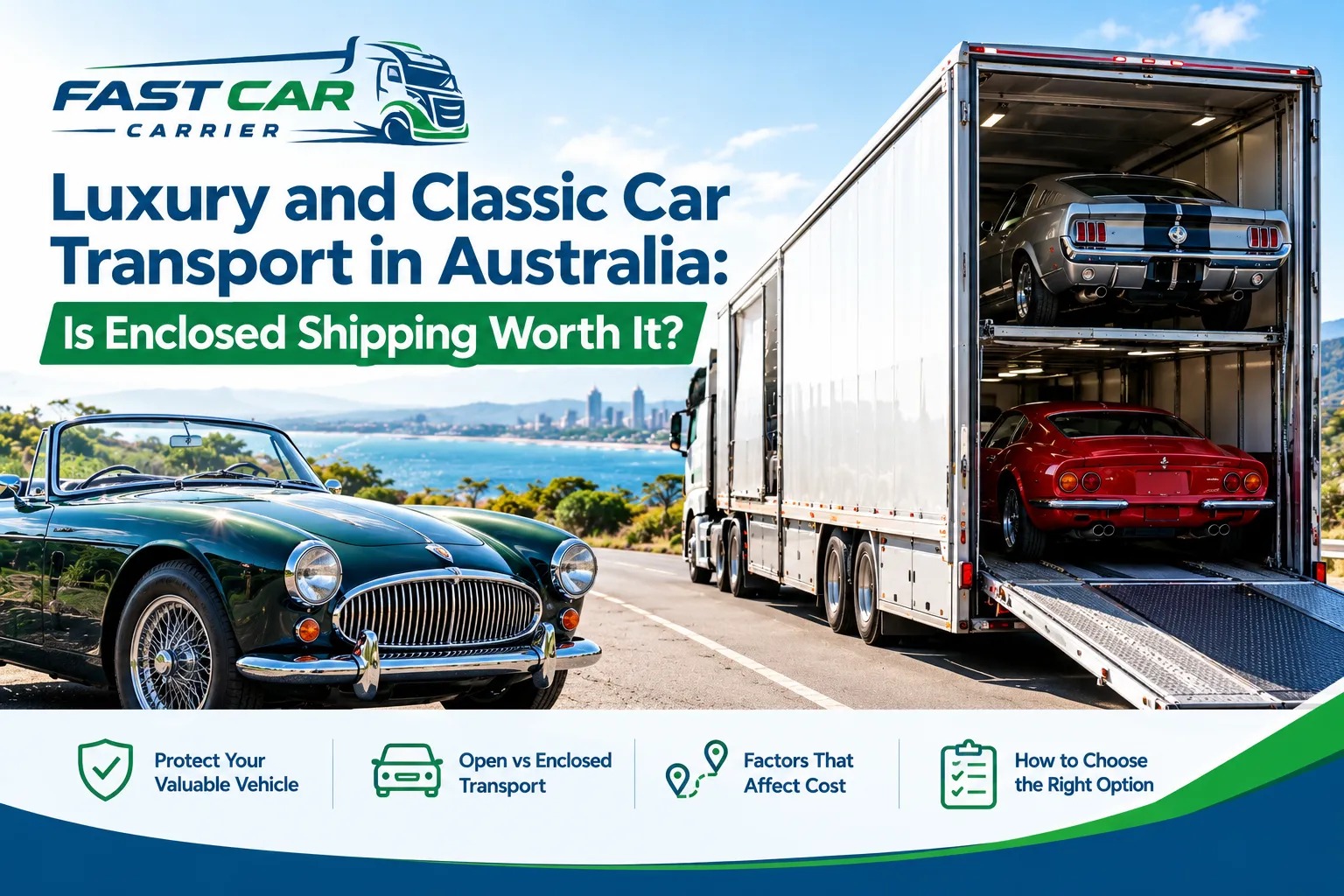
● The vehicle travels inside a covered trailer, shielded from weather and road debris
● Generally chosen for classic, luxury, or high-value vehicles
● Typically costs more due to limited space per truck
For most first-time customers moving a standard family car interstate, open transport is perfectly adequate. Enclosed transport is worth considering if your vehicle is particularly valuable or sensitive to weather exposure.
Door-to-Door vs Depot-to-Depot Transport
Another key choice is how your vehicle is picked up and delivered.
Door-to-door car transport:
● The carrier collects your vehicle from your home or workplace
● It's delivered directly to the destination address (where truck access allows)
● More convenient, but access may be limited on narrow streets or in tight areas
Depot-to-depot transport:
● You drop the vehicle off at a depot and collect it from a depot at the other end
● Can be more cost-effective
● Requires a bit more coordination on your part for drop-off and collection
Some transport companies offer a mix for example, door pickup with depot delivery — so it's worth asking what's available for your specific pickup location and delivery location.
How Much Does Car Shipping Australia Cost?
There's no single fixed price for car shipping Australia-wide, since transport costs depend on several variables specific to your booking. Rather than quoting a number that won't apply to every situation, it's best to think about the main factors that shape a quote covered next and get a specific car transport quote based on your vehicle and route.
As a general guide, shorter routes between major cities tend to cost less than long-distance interstate car transport, and standard open transport is more affordable than enclosed transport.
What Factors Affect Car Transport Pricing?
Several factors influence the price of interstate vehicle transport:
● Distance and route: longer routes and less common transport routes typically cost more
● Vehicle size and weight: larger vehicles take up more space on the carrier
● Transport type: open transport vs enclosed car transport
● Pickup and delivery type: door-to-door vs depot-to-depot
● Vehicle condition: running vehicles are generally easier (and cheaper) to load than non-running ones
● Timing and availability: urgent or flexible dates can affect pricing
● Location accessibility: rural or hard-to-access pickup locations may add cost
Getting a car transport quote that accounts for these specifics is the most reliable way to understand what your particular shipment will cost.
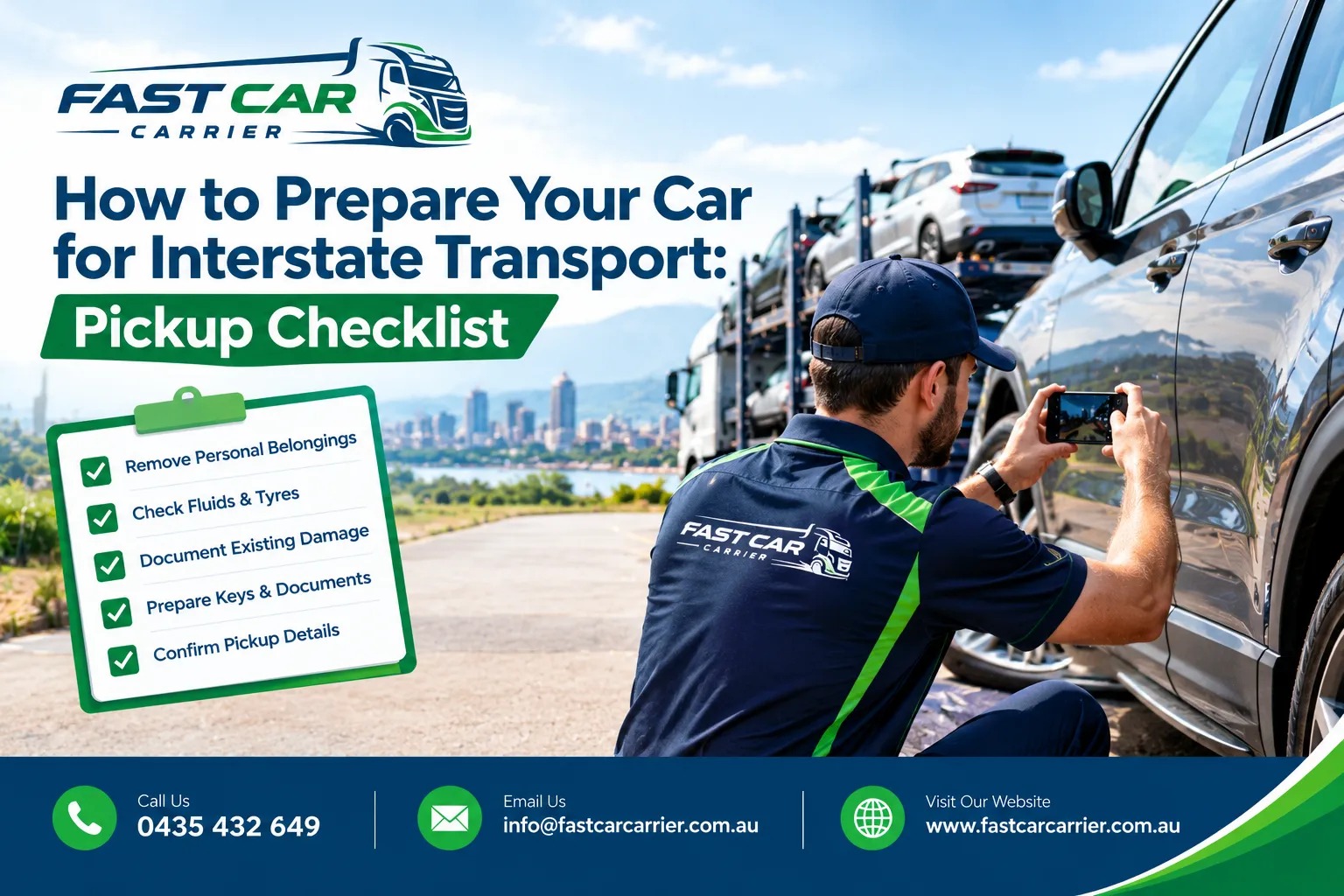
How to Prepare Your Car for Interstate Transport
Proper vehicle preparation helps the pickup process go smoothly and protects you if there's ever a dispute about the car's condition. Before your scheduled pickup:
● Clean the vehicle inside and out so any existing damage is clearly visible during inspection
● Remove personal belongings and valuables (most transport companies don't cover items left inside the car)
● Check for and note any existing scratches, dents, or mechanical issues
● Ensure the fuel tank is only around a quarter full, if required by the carrier
● Remove or secure loose exterior accessories, such as bike racks or aftermarket parts
● Disable toll tags and alarm systems where possible
● Check tyre pressure and ensure the handbrake and battery are in working order
Taking clear photos of your vehicle from multiple angles before pickup is a simple step that protects both you and the transport provider.
What Documents and Information Do You Need?
Before booking, most car transport companies will ask for:
● Vehicle make, model, and year
● Registration details
● Pickup location and delivery location
● Preferred pickup and delivery dates
● Contact details for both ends of the journey
● Confirmation of whether the vehicle is currently running
Having this information ready when you request a quote helps you get an accurate price and avoids delays at booking.
How Long Does Interstate Car Transport Take?
Delivery timeframes for interstate car transport vary depending on the specific route, current schedules, and weather or road conditions. Longer routes, such as those crossing several states, naturally take more time than transport between neighboring capital cities.
Rather than relying on a general estimate, ask your chosen car transport company for an expected delivery timeframe based on your specific pickup location and delivery location, and confirm this as part of your booking confirmation.
Is Car Transport Insurance Included?
Insurance coverage varies between car transport companies, so it's an important question to ask before booking rather than assuming what's included. When getting a quote, ask specifically the following:
● What transport insurance is included in the price
● What the coverage limits are
● Whether there's an excess in the event of a claim
● What isn't covered (for example, items left inside the vehicle)
A reputable provider should be able to explain their insurance coverage clearly and provide this information in writing as part of your booking confirmation.
What Should You Check Before Choosing a Car Transport Company?
With various car transport companies operating around Australia, it's worth doing a bit of due diligence before booking. Before choosing a provider, consider checking:
● How long the company has been operating and their experience with your specific route
● Whether they provide a written quote and booking confirmation
● What their vehicle inspection and condition reporting process looks like
● What insurance is included and what the terms are
● Whether they offer tracking or updates during transit
● How clearly they answer your questions before you book
An experienced provider should be upfront about their process, provide clear condition documentation at pickup, and be easy to reach if you have questions during transit.
Common Mistakes First-Time Customers Should Avoid
First-time customers sometimes run into avoidable issues. Common mistakes include:
● Not getting a written quote: verbal estimates can lead to confusion later
● Skipping the vehicle inspection: always review and keep a copy of the condition report
● Leaving valuables in the car: these typically aren't covered by transport insurance
● Not asking about insurance details: confirm coverage before, not after, booking
● Booking too close to your move date: popular routes can book out, especially around peak relocation periods
● Not checking vehicle preparation requirements: ask what's expected before pickup day
Avoiding these pitfalls mostly comes down to asking questions upfront and keeping documentation at each step.
Frequently Asked Questions About Car Shipping Australia
How much does car shipping cost in Australia?
Car shipping costs depend on factors like distance, vehicle size, transport type (open or enclosed), and pickup/delivery arrangements. There's no fixed nationwide price, so the most accurate way to find out is to request a car transport quote based on your specific vehicle and route.
How does interstate car transport work?
Interstate car transport involves booking a car transport company, having your vehicle inspected and loaded onto a carrier, and then having it transported along a set route to your delivery location. Most providers offer both open and enclosed transport, along with door-to-door or depot-to-depot options.
How long does it take to transport a car across Australia?
Delivery timeframes depend on the specific route, distance, and current scheduling. Longer interstate routes generally take more time than transport between nearby cities. It's best to confirm an expected timeframe directly with your chosen provider when booking.
Can I ship a non-running vehicle?
Yes, most car transport companies can transport non-running vehicles, though this often requires special loading equipment like a winch. Let the provider know in advance so they can arrange the right carrier and confirm whether any additional cost applies.
Is my car insured during transport?
Many car transport companies include some level of transport insurance, but coverage and terms vary between providers. Always ask what's included, what the limits are, and whether there's an excess before confirming your booking.
Should I choose open or enclosed car transport?
Open car transport suits most everyday vehicles and is generally more affordable. Enclosed car transport offers extra protection from weather and road debris, making it a common choice for classic, luxury, or particularly valuable vehicles.
Can I have my car picked up from my home?
Many providers offer door-to-door car transport, collecting your vehicle from your home or workplace where truck access allows. In areas with limited access, depot-to-depot transport may be offered as an alternative.
What should I remove from my car before transport?
Remove personal belongings, valuables, and loose exterior accessories before pickup. Most transport insurance doesn't cover items left inside the vehicle, so it's best to travel with an empty car aside from what's required for transport.
Final Thoughts
Shipping a car across Australia doesn't need to be complicated once you understand how the process works. From getting a clear car transport quote to preparing your vehicle and understanding your insurance coverage, a bit of preparation goes a long way toward a smooth experience.
If you're planning interstate car transport and want a clear quote for your specific pickup and delivery locations whether that's car transport Melbourne to Perth or another route — Fast Car Carrier can help outline your options for vehicle transport Australia wide.
For questions about car shipping to Australia, vehicle preparation, or to get a car transport quote, get in touch with Fast Car Carrier:
Fast Car Carrier Website: https://www.fastcarcarrier.com.au/ Email: info@fastcarcarrier.com.au Phone: 0435 432 649