Everything You Need to Know Before Shipping Your Car
07-Jul-2026Everything You Need to Know Before Shipping Your Car
Australia is a big country, and sooner or later, life has a way of asking us to move a vehicle further than we'd like to drive it ourselves. Whether it's a job relocation from Melbourne to Brisbane, a car bought sight-unseen from a Perth dealership, or a fleet of vehicles that needs to reach a new depot, more Australians than ever are turning to professional car transport services instead of clocking up thousands of kilometers on their own odometer.
It makes sense. Between fuel costs, wear and tear, time off work, and the simple risk of driving long distances on unfamiliar highways, shipping a car has become the practical choice for individuals, families, car buyers, dealerships, and businesses alike. But if you've never used a car carrier service before, the process can feel a little unfamiliar. What do you need to prepare? What paperwork is involved? How much should it cost, and how long will it actually take?
This guide walks you through everything you need to know before shipping your car in Australia, from the basics of how car transport works right through to choosing a provider you can trust.
What Does Car Shipping Mean?
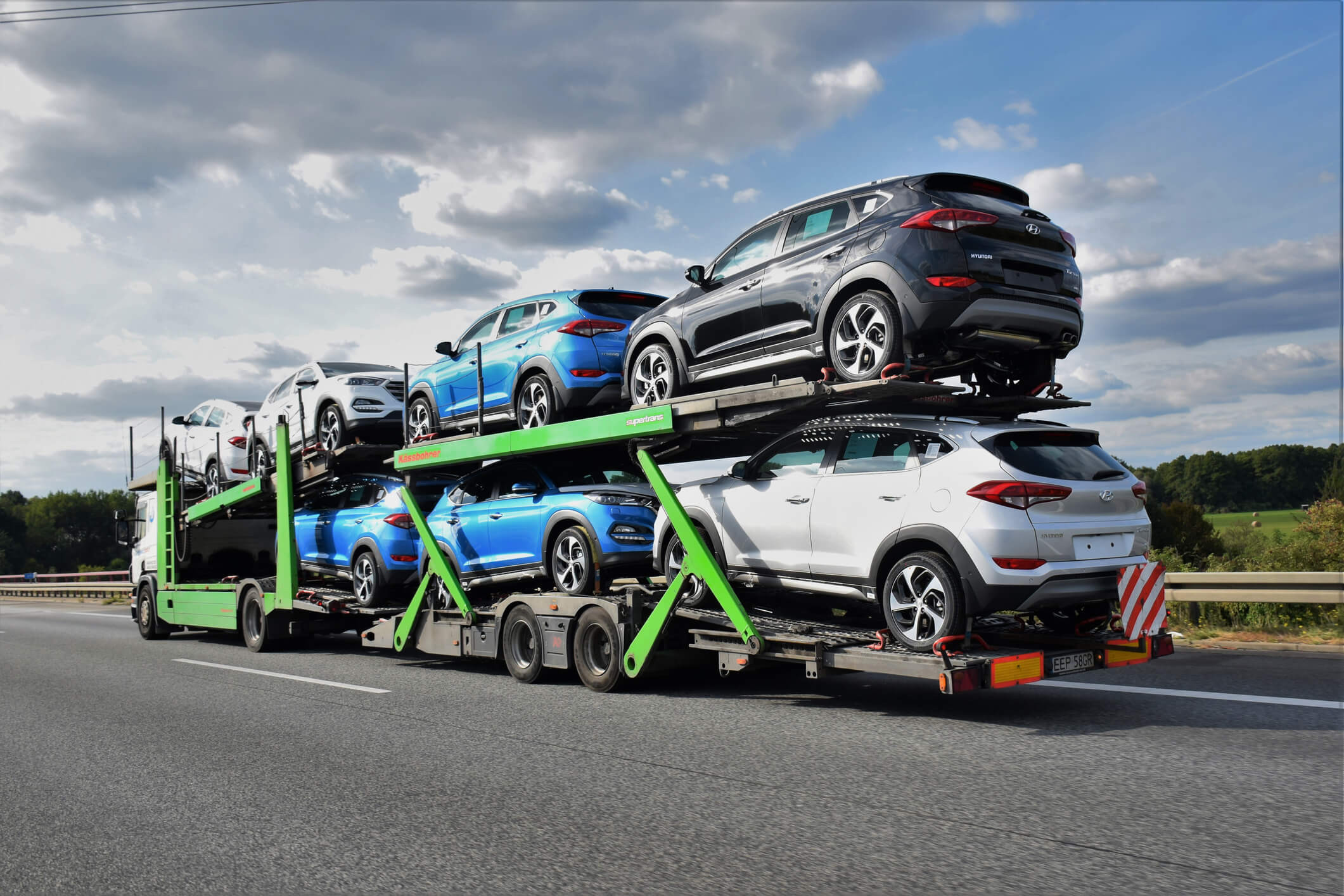
Car shipping, sometimes called vehicle transport or car carrier transport, simply means having your vehicle moved from one location to another using a specialized carrier truck rather than driving it yourself. Instead of putting kilometers on your car and risking your own time and safety on a long interstate drive, a professional transport company loads your vehicle onto a purpose-built carrier and delivers it to your chosen destination.
The process typically involves a booking, a scheduled pickup, a thorough vehicle inspection, secure loading onto the carrier, transit to the destination, and a final inspection at drop-off. Reputable operators document the condition of your vehicle before and after transport, so there's a clear record protecting both you and the carrier.
Reasons People Ship Their Cars
There's no single "typical" customer when it comes to car transport. The reasons people choose to ship rather than drive are varied and include the following:
● Interstate relocation: moving house from one state or territory to another and needing your car to arrive without adding thousands of kilometers to the clock.
● Online car purchases: buying a vehicle from an interstate seller or dealership and needing it delivered safely to your door.
● Moving for work: professionals relocating for a new job who don't have time for a multi-day drive.
● Military relocation: defense force personnel posted to a new base who need reliable, no-fuss vehicle transport.
● Student relocation: university students moving interstate for study who want their car waiting for them on arrival.
● Dealership deliveries: dealers moving stock between yards or delivering directly to customers.
● Fleet transport: businesses relocating multiple vehicles for operational or logistical reasons.
● Classic and luxury vehicles: owners who want extra care and protection for high-value or sentimental vehicles.
Types of Car Transport Services
Not all car transport is the same, and understanding the options helps you choose the right service for your situation and budget.
Door-to-Door Transport
This is the most convenient option, where the carrier picks up your vehicle directly from your home or workplace and delivers it straight to the destination address, rather than requiring you to drop off or collect from a depot.
Open Carrier Transport
Your vehicle travels on an open-air carrier alongside other vehicles. It's a cost-effective, widely used option and perfectly suitable for the vast majority of everyday vehicles.
Enclosed Carrier Transport
For classic cars, luxury vehicles, or anything requiring extra protection from weather and road conditions, enclosed transport offers an added layer of security and privacy.
Express Transport
When time is tight, express services prioritize your vehicle for a faster turnaround between pickup and delivery, ideal for urgent relocations or dealership handovers.
Interstate Vehicle Transport
This covers the long-haul routes between capital cities and regional centers, connecting Australians across states with a reliable, scheduled transport network.
How to Prepare Your Vehicle Before Shipping
A little preparation goes a long way toward a smooth pickup and delivery. Here's a simple checklist to work through before your car is collected.
Preparation Checklist
● Wash the vehicle so existing marks, scratches, and condition are clearly visible for inspection
● Remove all personal belongings and valuables from the car
● Check and adjust tyre pressure to the manufacturer's recommended level
● Leave only a small amount of fuel in the tank (generally around a quarter tank)
● Take clear, timestamped photos of the vehicle from multiple angles
● Disable or deactivate any aftermarket alarms to avoid issues during transit
● Inspect the vehicle for any existing damage and note it before pickup
● Ensure the vehicle is mechanically sound, with no fluid leaks
● Remove toll tags or parking permits that may incur unwanted charges
● Confirm your pickup and delivery address and contact details are correct
Documents You May Need
Having the right paperwork ready helps avoid delays on pickup day. Depending on your situation, you may be asked for the following:
● Proof of ownership, such as vehicle registration papers or a certificate of title
● Valid photo identification for the person booking and the person collecting the vehicle
● A signed booking confirmation or transport agreement
● Insurance details, if applicable
● Authorisation letter, if someone other than the owner is dropping off or collecting the vehicle
● Any dealership or purchase paperwork, for newly bought vehicles
What Affects the Cost of Car Shipping?
Car transport pricing isn't one-size-fits-all. Several factors influence the final quote you'll receive.
Cost Factor | How It Affects Price |
Distance | Longer interstate routes generally cost more due to fuel, time, and carrier capacity |
Vehicle size and weight | Larger vehicles such as 4WDs, vans, or utes take up more carrier space |
Vehicle condition | Non-running vehicles may require special loading equipment, increasing cost |
Pickup and delivery locations | Remote or hard-to-access addresses can add to the price compared with metro depots |
Seasonal demand | Peak relocation periods, such as end of financial year, can affect availability and pricing |
Express shipping | Priority or expedited delivery timeframes typically carry a premium |
How Long Does Car Shipping Take?
Transit times depend on the route, carrier schedules, and current demand. As a general guide:
Route | Estimated Transit Time |
Sydney to Melbourne | 1–3 days |
Melbourne to Brisbane | 3–5 days |
Sydney to Brisbane | 2–4 days |
Sydney to Perth | 6–9 days |
Melbourne to Perth | 6–9 days |
Adelaide to Darwin | 5–8 days |
Brisbane to Perth | 8–10 days |
These timeframes are estimates only and can vary depending on weather, road conditions, and the specific pickup and delivery locations involved.
Is Car Shipping Safe?
When you choose an experienced, professional carrier, car shipping is a very safe way to move your vehicle. Reputable providers rely on trained, licensed drivers who understand how to load, secure, and transport vehicles correctly, minimizing any risk of damage in transit.
Before your vehicle is loaded, a thorough condition inspection is carried out and documented, and the same inspection happens again at delivery, giving you full transparency. Vehicles are properly secured on the carrier using appropriate restraints, and most professional operators carry insurance cover for added peace of mind throughout the journey.
Mistakes to Avoid
First-time customers often run into a few avoidable issues. Keep these tips in mind:
● Don't leave valuables or personal items in the vehicle during transport
● Don't skip the pre-pickup photos and inspection notes
● Don't assume all quotes include door-to-door service; always confirm
● Don't leave a full tank of fuel, as this adds unnecessary weight
● Don't book at the last minute during peak relocation periods if your dates are flexible
● Don't forget to ask about insurance coverage before confirming your booking
● Don't choose a provider based on price alone without checking their reputation
Why Choose Fast Car Carrier?
At Fast Car Carrier, we understand that handing your vehicle over to someone else for a long-distance journey requires trust. That's why we focus on making the process as straightforward and transparent as possible, from your first inquiry through to delivery at your door.
Our approach is built around a few simple principles:
● Australia-wide service covering major cities and regional areas
● Reliable, responsive customer support throughout your booking
● Professional, experienced drivers who treat every vehicle with care
● Competitive, transparent pricing with no hidden surprises
● Convenient door-to-door transport options
● Safe vehicle handling backed by thorough inspection processes
● Timely delivery, with realistic timeframes communicated upfront
● A genuine focus on customer satisfaction from start to finish
Whether you're relocating interstate, buying or selling a vehicle, or coordinating fleet transport for your business, we aim to make the experience simple and stress-free.
Frequently Asked Questions
1. How far in advance should I book my car transport?
It's best to book at least one to two weeks ahead, especially during busy relocation periods, to secure your preferred pickup date and avoid last-minute availability issues.
2. Can I ship a car that doesn't run?
Yes, non-running vehicles can generally be transported, though this may require special loading equipment and should be mentioned when requesting your quote.
3. Is my vehicle insured during transport?
Reputable carriers carry insurance cover for vehicles in transit. It's always worth confirming the specific coverage details before booking.
4. Do I need to be present at pickup and delivery?
Either the owner or an authorized representative should be present to complete the inspection and paperwork at both pickup and delivery.
5. What's the difference between open and enclosed transport?
Open transport carries vehicles on an uncovered carrier alongside other cars, while enclosed transport provides a fully covered trailer for extra protection, often used for classic or luxury vehicles.
6. How much fuel should be in the tank?
A quarter tank is generally sufficient. This reduces vehicle weight while still allowing the car to be driven on and off the carrier.
7. Can I ship personal items inside the car?
Most carriers ask that personal belongings be removed, as items are typically not covered by transport insurance and may add unnecessary weight.
8. How is the price of my transport calculated?
Pricing is based on factors such as distance, vehicle size and condition, pickup and delivery locations, and whether express transport is required.
Conclusion
Shipping your car doesn't need to be complicated. With a bit of preparation, the right documentation, and a trustworthy transport provider, moving your vehicle interstate can be a smooth, safe, and cost-effective alternative to driving it yourself. Whether you're relocating for work, buying a car online, or organizing fleet logistics for your business, understanding the process upfront helps you know exactly what to expect.
Need safe, affordable, and reliable vehicle transport anywhere in Australia? Fast Car Carrier offers professional interstate car transport with dependable service, competitive pricing, and experienced vehicle transport specialists.
Phone: 0435 432 649
Email: info@fastcarcarrier.com.au